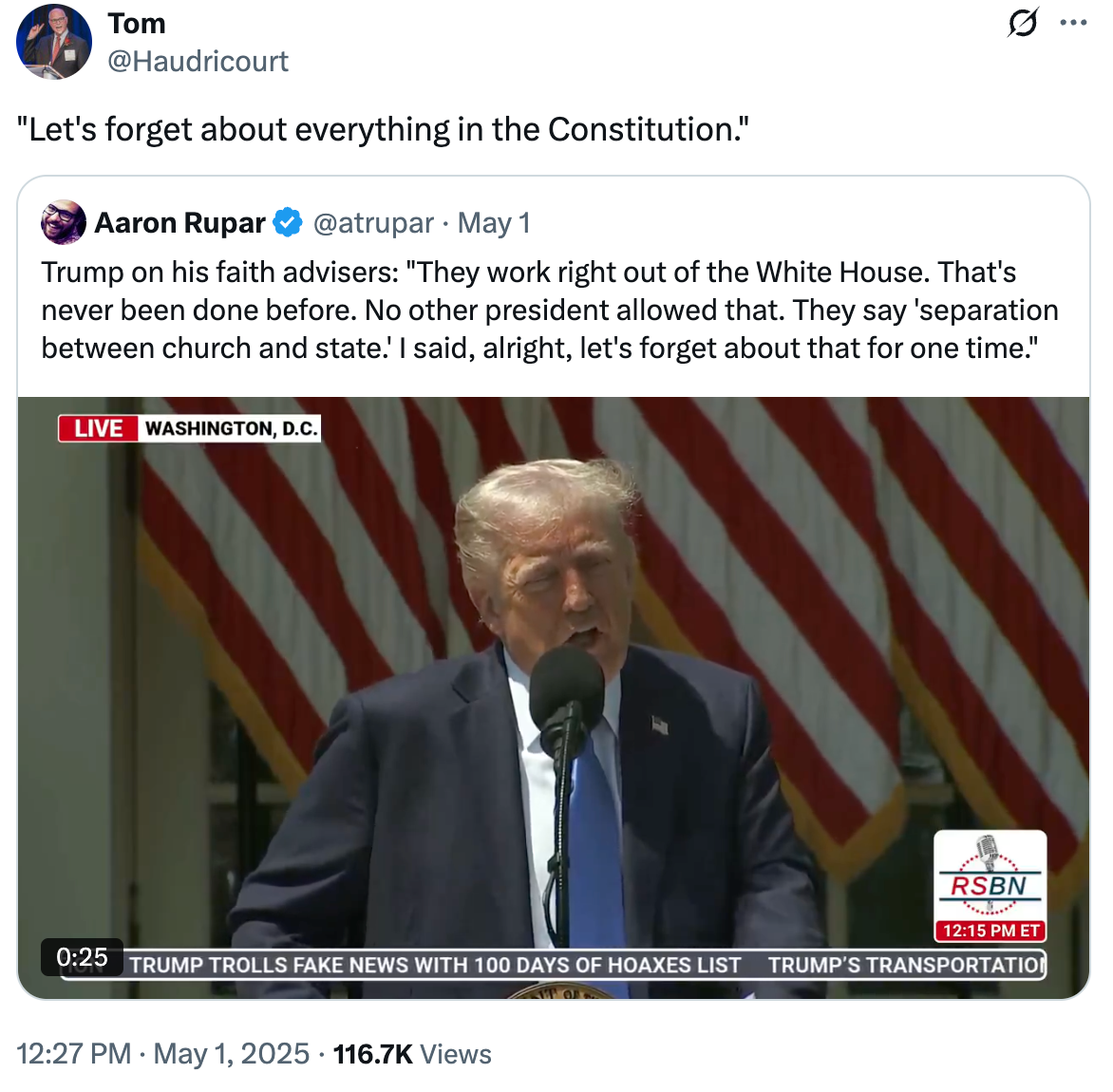
" They say ' separation between Christian church and state , ' they told me . I said , alright , let ’s forget about that for one time . "
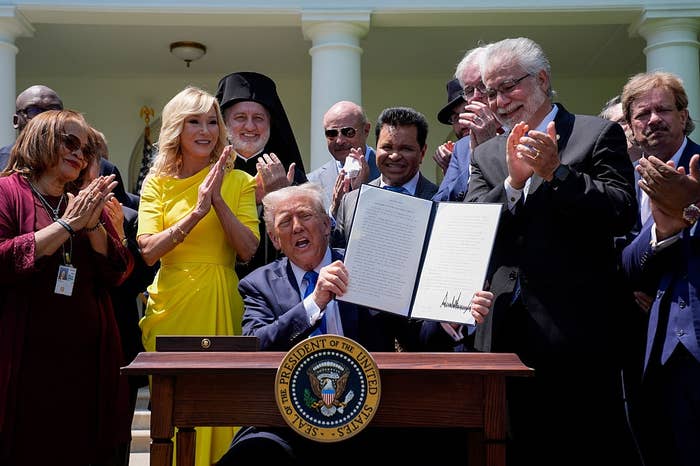
On Thursday — which was National Prayer Day — Donald Trump signed anexecutive ordercreating a presidential commission on religious liberty. During the White House event, he openly questioned the principle of separation between church and state.
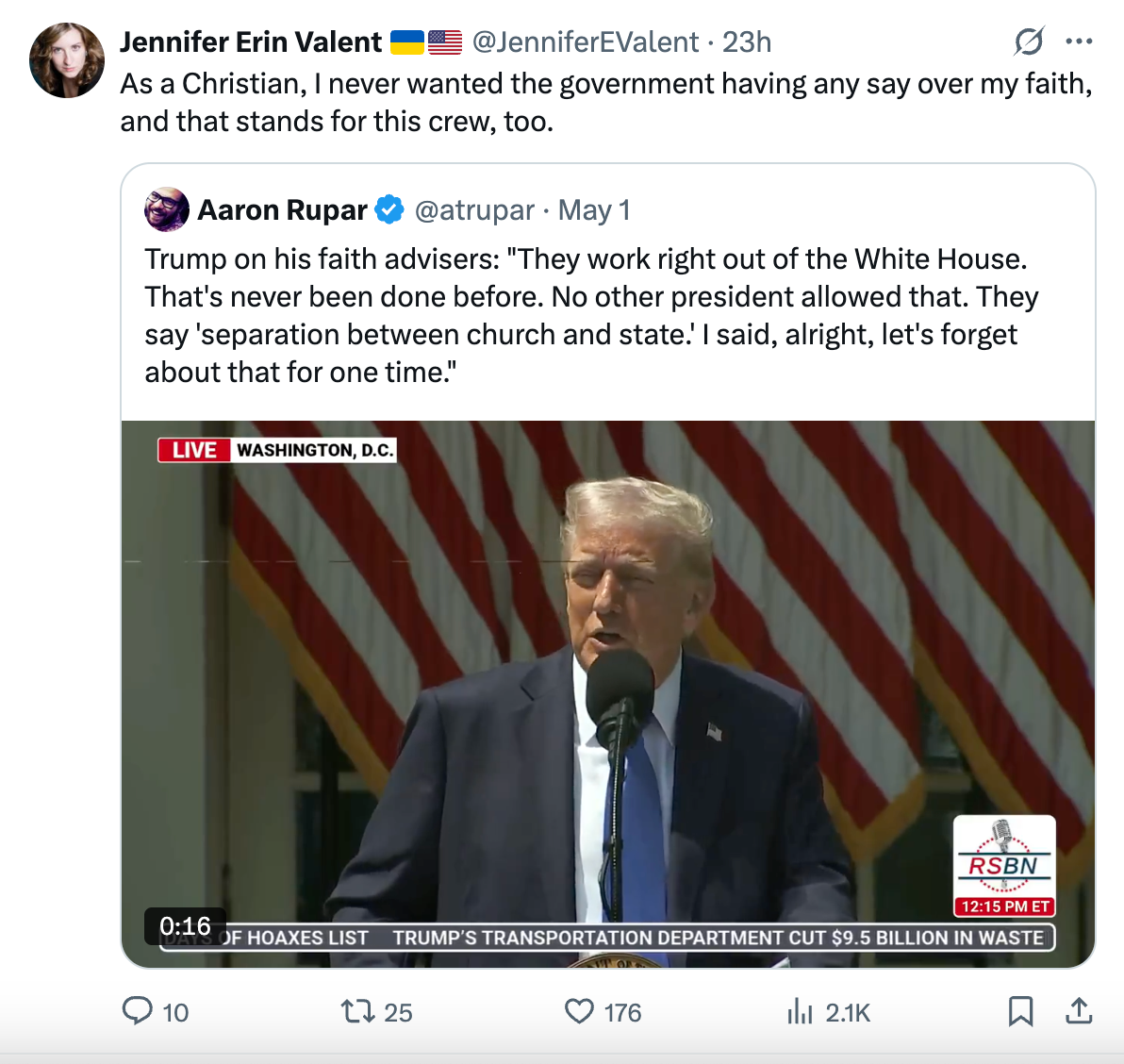
Ina clipcirculating on social media from the event, Trump said of his faith advisors, “They work right out of the White House. That’s never been done before. No other president allowed that. They say ‘separation between church and state,’ they told me. I said, alright, let’s forget about that for one time.”
trump out on his organized religion advisers : " They work right out of the White House . That ’s never been done before . No other president allowed that . They say ' separation between church and State Department . ' I articulate , alright , permit ’s forget about that for one time . “pic.twitter.com/11x7kYLPMu
He continued, “We said, separation, really, is that a good thing or a bad thing? I’m not sure, but whether there’s separation or not, you guys are in the White House, where you should be, and you’re representing our country. And we’re bringing religion back to our country. And it’s a big deal.”
The First Amendment of the ConstitutionprohibitsCongress from making any law “respecting an establishment of religion, or prohibiting the free exercise thereof.” This clause, called theEstablishment Clause, has long been interpreted as establishing the principle of separation between church and state.
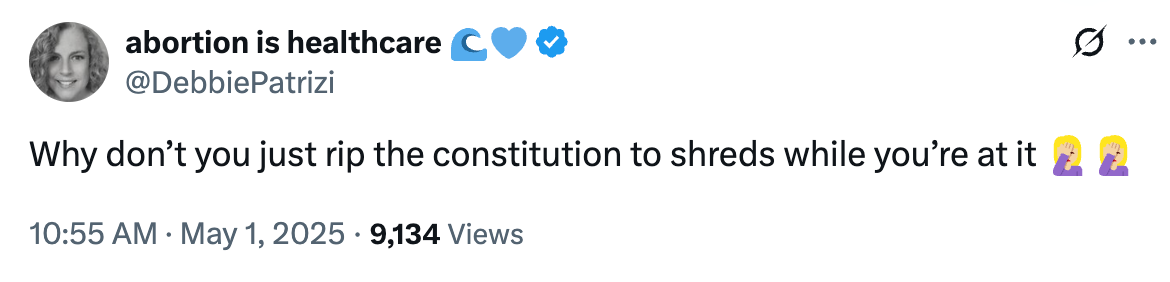
“Why don’t you just rip the constitution to shreds while you’re at it,” another said.
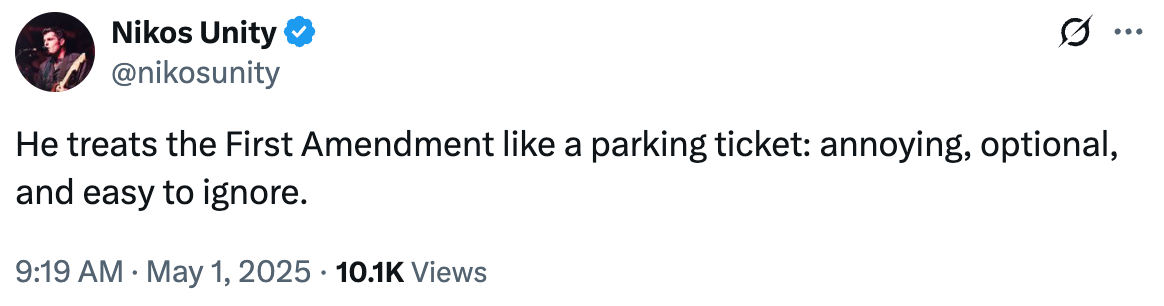
“He treats the First Amendment like a parking ticket: annoying, optional, and easy to ignore,” someone else said.
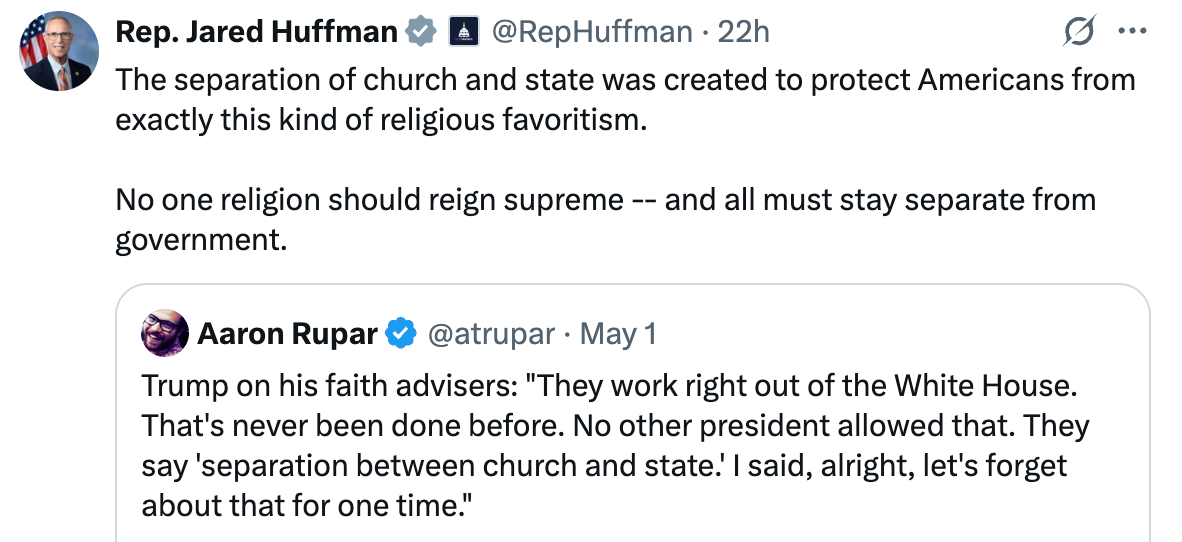
Even lawmakers started speaking out. US Rep. Jared Huffman said, “The separation of church and state was created to protect Americans from exactly this kind of religious favoritism. No one religion should reign supreme – and all must stay separate from government.”
Another user echoed a similar concern: “As a Christian, I never wanted the government having any say over my faith, and that stands for this crew, too.”
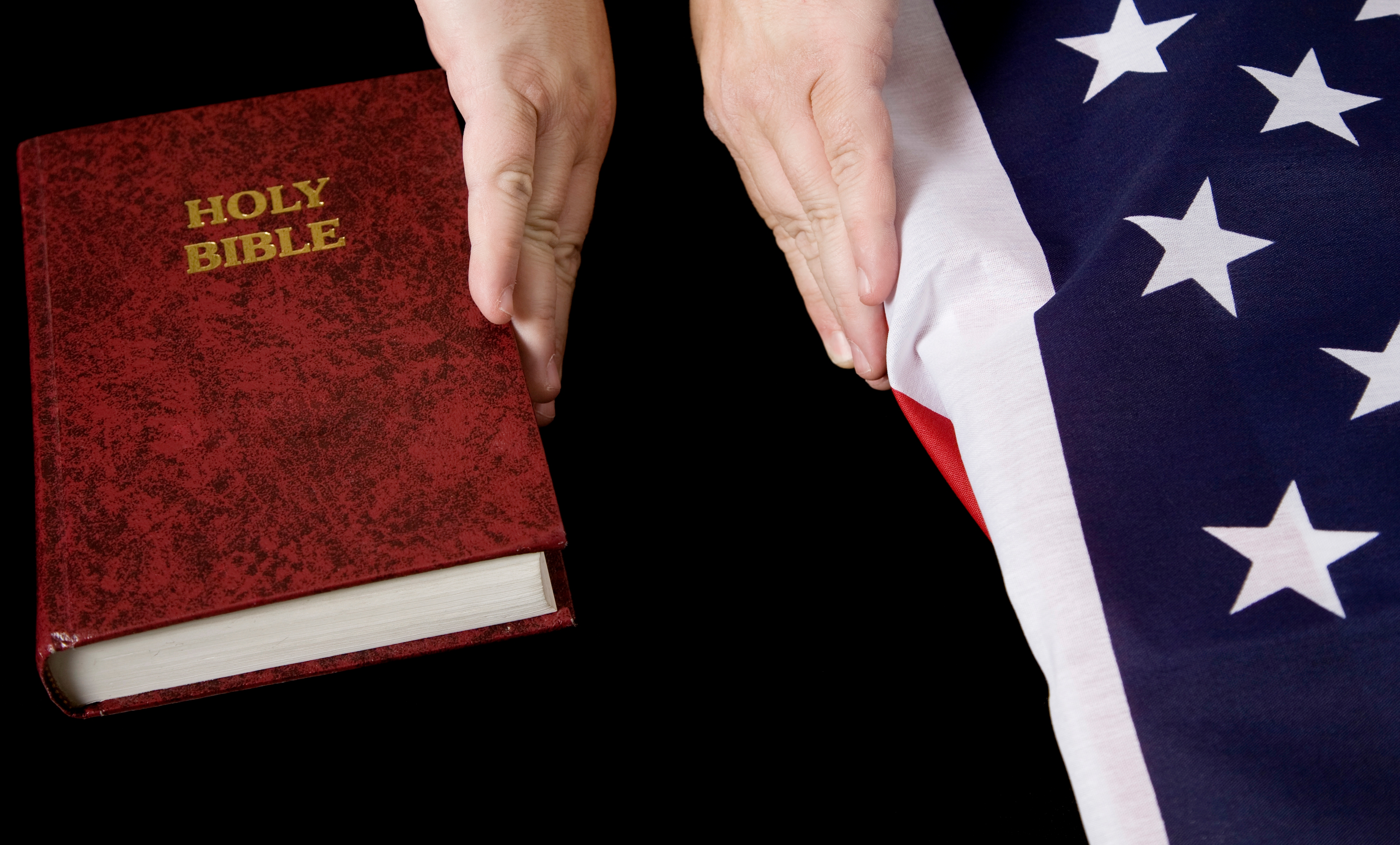
Well, as Trump fills faith councils and commissions with overwhelmingly Christian figures and casts doubt on foundational constitutional principles, one thing becomes increasingly clear: His vision of “religious liberty” seems closely aligned with one idea — furthering Christian nationalism.