For the lovemaking of all affair holy , please stop washing your raw poulet .
When there ’s a campylobacter , E. coli , or salmonella outbreak in the food supply , not only does it make headlines but companies often call back nutrient to prevent more people from falling ill . But the same bacteria can show up in home kitchen if you ’re not careful . TheCenters for Disease Control and Preventionestimates that 48 million Americans get foodborne illnesses every class and 128,000 end up hospitalize .
Everyone has their favorite preparation and cookery techniques , but you may be unaware that some methods might further the spread of pathogens . Although you may tie in food poisoning with eating in a restaurant , it ’s potential to have the same bacterium lurking in your kitchen .
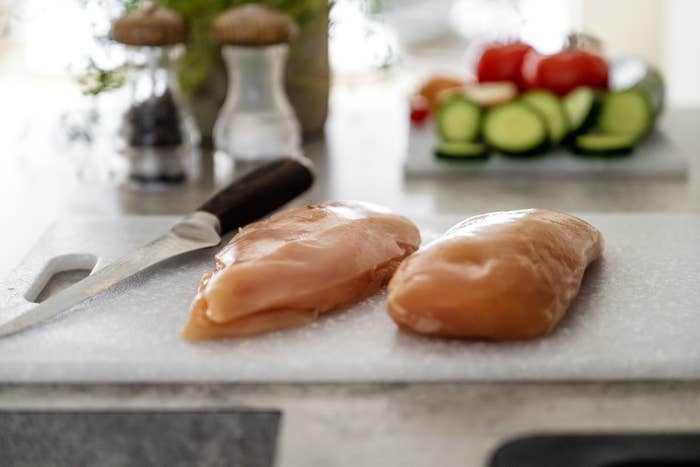
“ nutrient prophylactic is just as of import at house as it is in a eating house , ” saidKeith Schneider , a food safety prof in the Department of Food Science and Human Nutrition at the University of Florida . “ While eating place have a bigger impact because they dish up a larger group of people , obviously you do n’t require to prepare food at home and make a kin member [ sick ] or get sickish . ”
harmonise to Joshua Resnick , lead chef at theInstitute of Culinary Educationwho is fully certify in solid food protection by theNew YorkCity Department of Health and Mental Hygiene , “ Pathogens do n’t care where they are ; they will grow the same way at a place kitchen as they do in a professional kitchen . That means that everyone needs to ensure to follow right food safety guidelines at home . ”
HuffPost mouth with nutrient safety experts on preparation and preparation methods that are n’t food - safe and what to do or else .
Neglecting To Wash Your Hands
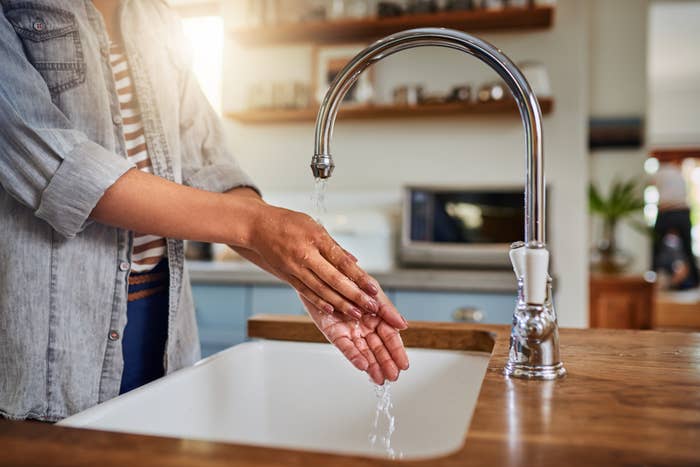
Before you start pulling food from the electric refrigerator to prepare a meal , washing your work force should be the first thing you do . Germs can be on your hands and can easily spread to your cookery surfaces and food .
harmonize toMitzi Baum , CEO of STOP Foodborne Illness , a national public wellness non-profit-making advocating for safe food and solid food safe culture alteration nationally , “ The first footprint and first line of defensive structure to food for thought safety is washing your hands ofttimes and soundly with soap and piss when cooking ; this will reduce the incidence of crown of thorns - contamination to utensils , towels , countertops and foods . ”
Washing your hands is an easy and bare bar method to cut back pathogens . But you may need to wash your hands several time while preparation , peculiarly if you ’re manage bare-ass nub or picking up your telephone to curb a formula . “ Phones and tablet can be engender grounds for bacteria , ” Resnick said . “ It is passing important to wash your hands before you start cooking and during the cooking summons . ”
Mishandling Your Cutting Boards
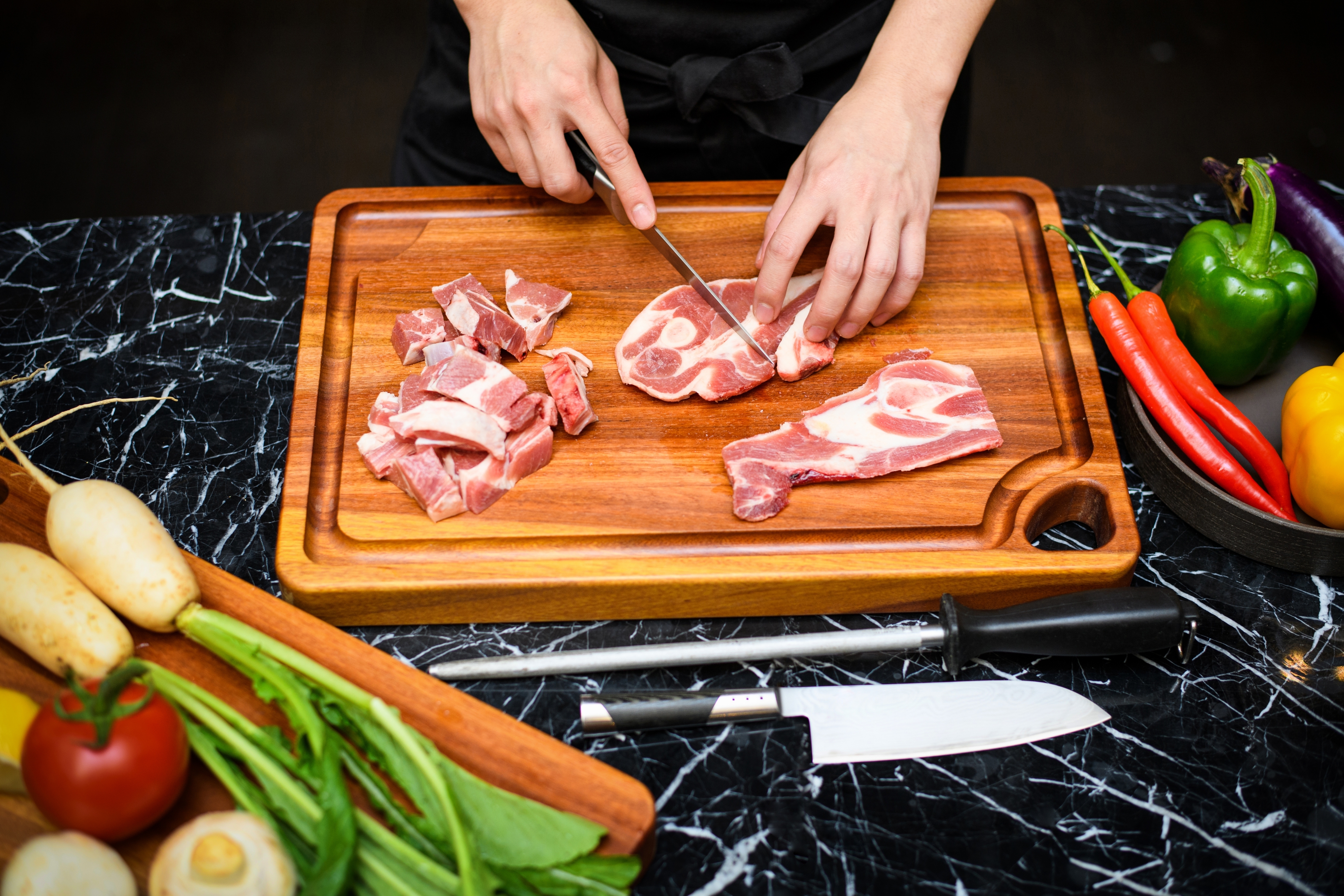
Slicing raw chicken or fish on a thinning control board ? verify to moisten it with spicy piss and easy lay before using the same board to chop up veggie . Otherwise , you produce a perfect haven for hybridization - contamination . “ A Graeco-Roman example is using a cutting plug-in to prepare substance , such as ground beef , and then you also use that same cutting card without adequate cleaning to prepare salad or [ use ] the knife for trim nitty-gritty or preparing fowl , ” Schneider said . To preclude cross - contamination , he usescolor - coded cut boardsand has separate ones for meat , poultry and fish .
Take guard by wash utensils and items that have touch cutting meat ― this can also reduce the cattle farm of pathogens . “ You must be aware of what and how you are handling food in the kitchen , ” Baum said .
Using The Same Plate Or Utensils For Raw And Cooked Meat
You aim a piece of steak on a scale , plop it on the barbecue and then , without thinking , place the cooked steak on the same crustal plate . Hello cross - contamination .
This may seem an obvious practice to avert , but it ’s more common than you may think . “ When you take burgers out to the grill , check that you take them in on a different plate , ” Schneider said .
You also want to consider any utensils that come into contact with uncooked meat . “ I wash my tongs in between set up my crybaby on and taking them off again , ” he said .
Washing Raw Chicken
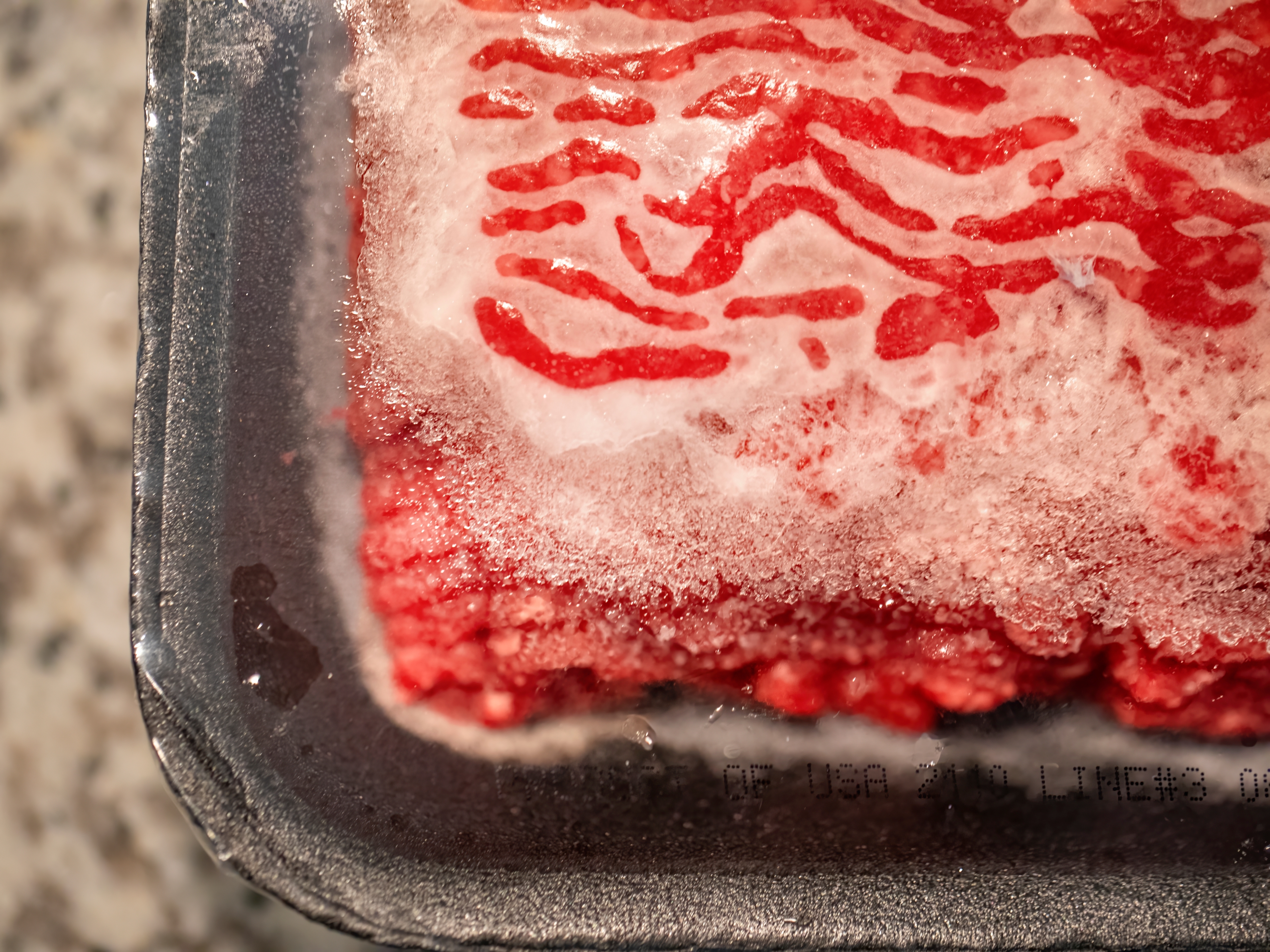
There are two teams , those who wash their poultry and those who do n’t . If you ’re on team “ always wash your chicken , ” you ’re in for a surprisal — it ’s not a good approximation . Washing meat is n’t necessary since the meat is sell as ready to fix . “ wash the wench does n’t really significantly spay it other than remove those aerofoil mar , ” Schneider say .
The issue with wash volaille or turkey ? It ’s a rattling means to spread bacterium and pathogens in your sink and beyond . When you wash away your chicken , Schneider said , “ It now increases the hazard of splatter ; you have what was salmonella on the shuttlecock — is now in your sink , on your faucet , on your countertop . ” He said people should be sanitizing their kitchen more frequently , especially after address raw core .
Wondering what ’s the best way to hygienize the kitchen ? “ you could use any household cleaners labeled for disinfection , ” he said . Schneider does n’t advocate a specific stigma or case because it depends on the surface you ’re cleaning . “ candidly , just soap and water system is gon na get rid of a lot of the microbes , ” he added .
Thawing Meat On The Counter
There are many ways to de-ice frozen meat , but let it thaw on the kitchen sideboard is not one of them . “ It ’s important to thaw raw nitty-gritty , Pisces and poultry correctly because there are bacteria in and on the food , ” Resnick explained . “ If these foods are hold at a ardent temperature ( 41 to 135 arcdegree Fahrenheit ) for too long , the harmful bacteria will grow quickly . ”
If you ’ve had a partly thawed slice of meat , you may think it is still safe . “ Even if the middle is n’t thaw , the meat on the exterior is exposed to this temperature for an lengthened period and can make your solid food dangerous to eat , ” Resnick said .
There are several ways to defrost meat , agree to Baum : “ warming in the refrigerator , thaw under cold running weewee , melt as part of the cooking process or thawing in the microwave oven ONLY if it is cooked directly after melt . ” ( These peak align with theFood and Drug Administration ’s guidance . ) And if you ’re think , “ I ’ll just target the frozen marrow in a bowlful of water,”that ’s also not a estimable choice . Resnick explained that unfreeze meat in water is standardised to dissolve it on the counter .
Not Using A Meat Thermometer
How do you know when your Gallus gallus has been cooked good ? If you ’re swear on what it looks like , that wo n’t tell you whether it ’s food - safe . “ touch food or looking at colour will not provide precise cookery information and could lead to undercooking , ” Baum said .
A more reliable method to insure your meat is cooked sufficiently and you ’re not at risk of getting sick is ameat thermometer . “ utilize a kernel thermometer to get an accurate internal temperature will minimize your risk of consume undercooked meats , fish and poultry , ” Baum explicate . Maybe you only use a meat thermometer a mates of times a year to confirm whether the joker is cooked , but food expert commend you put this handy contraption to apply throughout the yr .
“ clip and temporary worker is one of those great balance — if you follow instructions , most of the pathogen that we ’re concerned about are going to be easily inactivate . So attain certain that we reach that obliterate temperature and having a kernel thermometer is critical , ” Schneider impart .
Each type of meat has a different required temperature that has been determine to reduce the level of harmful bacteria . check up on theU.S. Department of Agriculture guidelinesfor what is see a safe cooking temperature .
Cooking Raw Food In The Microwave
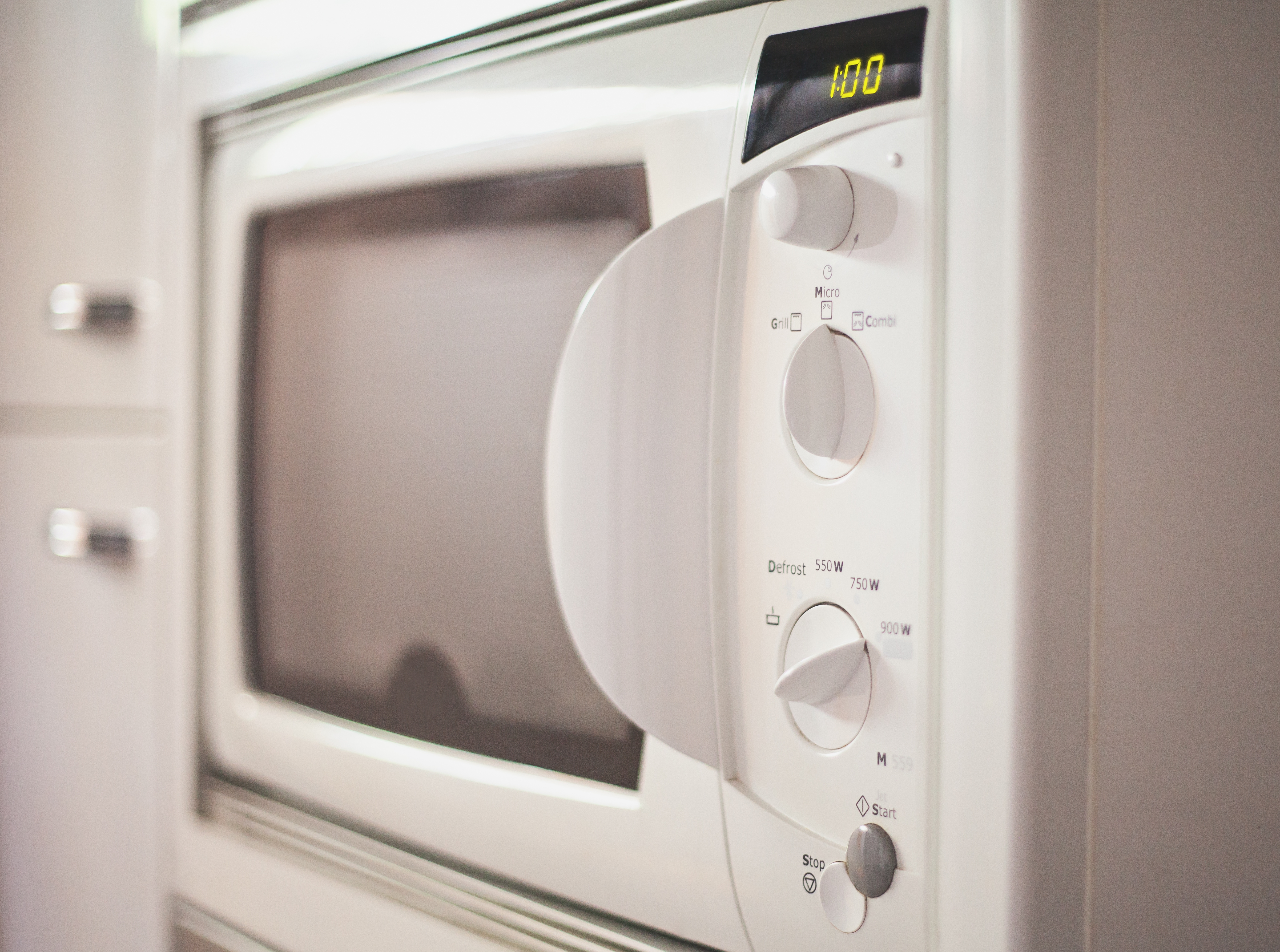
Prefer fake in the microwave instead of the stovetop ? fit in to Baum , “ cookery foods in the microwave can be grave because foods do not cook evenly in the microwave . ”
One of the main issues is it ’s gentle to undercook food . “ Microwave oven have dissent electrical power that can work correct cooking times and lead to undercooking , ” Baum explained . “ This is an issue because foods must be cooked to the right internal temperature to ensure that harmful bacterium are kill during the cooking cognitive process . ”
educate yourself on how your microwave oven cooks food can help you to not eat undercooked food . “ Read and survey the instructions for microwave cooking and have a go at it the wattage of your microwave oven to ensure the ware is wangle to the appropriate temperature , ” she say .
Putting Warm Food In The Refrigerator To Cool
Do you place quick leftovers in the fridge before the food is completely cool ? You may be unexpectedly position yourself and others at peril .
Resnick explain why this is a big food safety issue . “ Most the great unwashed take warm leftovers , put them in a plastic Tupperware and stick it into the electric refrigerator , ” he said . “ However , when food sits inside the danger zone temperature range ( 41 to 135 degrees Fahrenheit ) for an extended prison term , this can moderate to bacteria growth that can get to dangerous levels . ”
If you ’re hurrying to scavenge up the kitchen and put away leftover , it ’s authoritative to see to it the solid food has cooled down . If you do n’t have time for it to cool on its own , you could help speed up the cognitive process while practicing food safety equipment . ( Just ensure it is n’t sitting out at elbow room temperature for more than two hours ! ) “ Food should be chill in metal containers over ice or cut into smaller piece so they cool down promptly , ” Resnick aver . This post originally appeared onHuffPost .
