" I could feel everything — it was pulling , ripping , electrocution . And the only way I can think to describe it is just feeling like my inside were being rip out . "
1.Imagine lying on an operating table, unable to move, speak, or scream — yet fully conscious as the surgeon makes the first incision. This was the horrifying reality for Stacey Gustafson, a Colorado woman who experienced “intraoperative awareness” during a 2019 hernia surgery. According to her lawsuit, the nightmare started when Gustafson was administered an initial dose of propofol for intubation, but the IV line was disconnected, causing the anesthetic to spill onto her pillow instead of entering her bloodstream…and no one on the surgery team noticed. As a result, she remained awake but paralyzed. So while she could hear the surgical team talking and even joking — and feel every single cut they made! — she couldn’t scream or move to stop the surgeon from cutting into her.
2.Dirk Schroeder thought he was walking out of the hospital a survivor. After prostate cancer surgery in 2009, doctors in Germany told the 74-year-old that everything had gone well — so well, in fact, that he could expect to live another six to eight years. The future was bright. The surgery was successful. Except…it wasn’t. It wasn’t long before Dirk began experiencing severe pain. For months, he suffered through it, unsure of what was wrong. Eventually, he returned to doctors, where an investigation (finally!) revealed the true cause. What no one realized — or admitted — was that his surgery had turned into one of the most horrifying cases of medical negligence ever reported. In what sounds like the plot of a bodyhorror movie, surgeons hadaccidentally left16 pieces of medical equipment inside his body.
3.Dr. Christopher Duntsch, a Texas-based neurosurgeon, made aLOT of mistakes. His malpractice was so egregious, in fact, it earned him the moniker “Dr. Death.“ He began practicing in the Dallas-Fort Worth area around 2011, and within two years, he had operated on 38 patients, leaving 33 seriously injured and two dead. One patient, Kellie Martin, died from massive blood loss during a routine procedure, while another, Jerry Summers — Duntsch’s childhood friend — woke up a quadriplegic following a botched neck surgery. Was he just wildly incompetent? Maybe — he not only abused drugs but somehow managed to perform less than 100 surgeries while a resident; a typical resident does a thousand — but it’s also possible he was a psychopath (he wrote an email that went “I am ready to leave the love and kindness and goodness and patience that I mix with everything else that I am and become a cold blooded killer.").
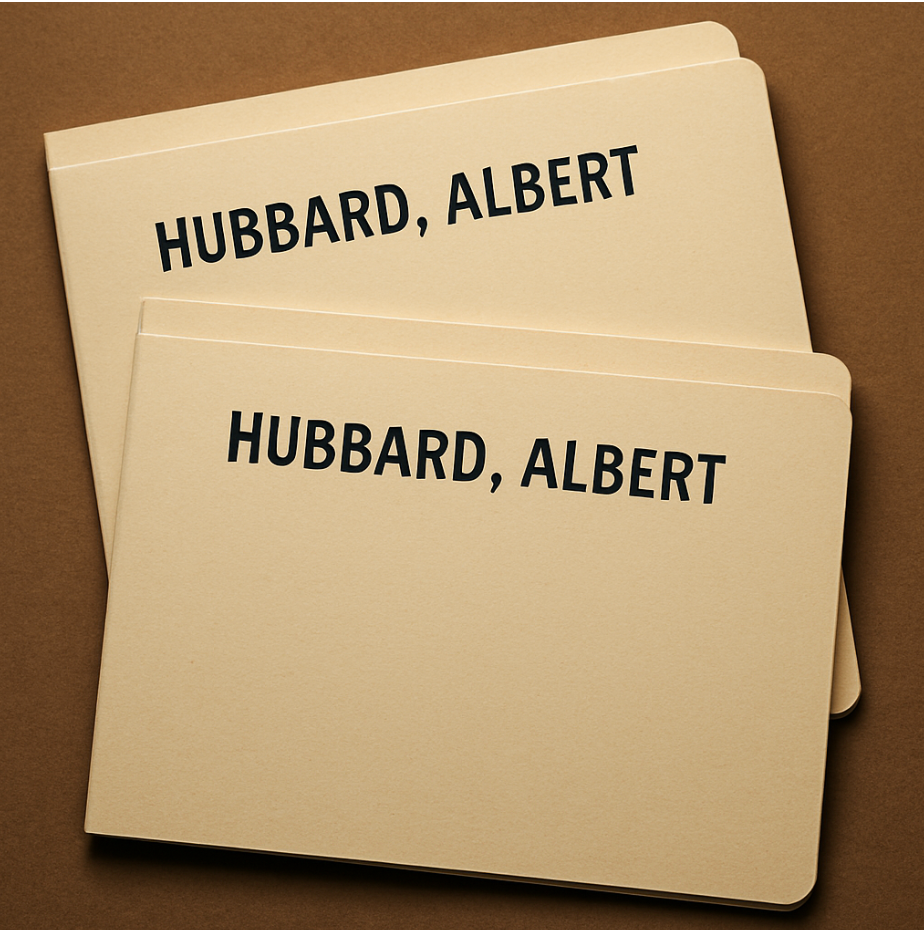
4.In July 2016, a patient named Albert Hubbard underwent a CT scan at St. Vincent Hospital in Worcester, Massachusetts. Unbeknownst to him (and the medical staff, apparently), another man named Albert Hubbard ALSO went for a CT scan that day, and the results showed he needed his kidney removed ASAP. Next thing you know, the healthy Albert Hubbard was called to the hospital, where he was shown a scan of a tumor on his (well, someone’s) kidney. “He told me that my kidney had to be removed right away and that I probably had a 43 to 72 percent chance of surviving five years even if the surgery was successful,” Hubbardtold the Commonwealth Beacon. “I was in shock, total, complete shock.”
5.In December 2022, 52-year-old John Michael Murdoch went to Oregon Health & Science University to have a breathing hole installed in his neck as part of his treatment for tongue cancer. Horrifyingly, according to a lawsuit filed by his family, Murdoch was awake and conscious when the surgical team accidentally set hisface on fire! After sterilizing Murdoch’s face with isopropyl alcohol — but before it completely dried — they used a surgical tool that sparked, igniting the alcohol and setting his face aflame. According to the lawsuit, Murdoch — who died just six months later — was left traumatized and permanently disfigured.
6.In what one doctor called “the most bizarre sequence of events that I have heard of in a cardiologic practice” and “one fiasco following another,” a surgeon somehow blundered his way into performing open heart surgery on the wrong patient! (Imagine thinking you’re being wheeled back for, like, a knee replacement and ending up having your chest cut open!) Ithappenedin 1988 at the University of Florida where a woman underwent a test where a cardiologist threads a probe through a blood vessel to the heart, injects dye, and then watches a monitor to see how the heart reacts. If trouble is found, surgery is scheduled. No trouble was discovered with this patient, but later that day, a DIFFERENT doctor reviewed the video of the test and dictated notes to be typed up by someone else (that feels like a game of telephone, doesn’t it?).
7.In 2007, 47-year-old Air Force veteran and father of four Benjamin Houghton had testicular cancer — scary, of course — but his doctor reassured him that treatment was straightforward. All they had to do was to remove the cancerous testicle, and he’d be on the path to recovery. Unfortunately, during surgery, the doctor somehow botched things royally and removed the patient’s HEALTHY TESTICLE. How could this happen? A fucked-up blend of mislabeled medical records, confusion in the operating room, and alarmingly insufficient double-checking.
8.This kind of thing doesn’t just happen to regular people — it happens to celebrities, too.Saturday Night Livestar Dana Carvey (you know, Garth fromWayne’s World) began experiencing chest pains in 1997 and was diagnosed with a blocked artery. Doctors recommended double bypass heart surgery, and Carvey — like any rational person — trusted that his surgical team would, you know, fix the blockage. But what actually happened was that the surgeon bypassed the wrong artery! Carvey went through an incredibly invasive heart procedure — cracked chest, anesthesia, weeks of recovery — and theactual problemwas still sitting there, completely unaddressed. “I remember just lying in my bed just sobbing,” Carveytold the San Francisco Chronicle. “To go through all that and not have the problem fixed is horrifying.”
9.In 2007, a hospital in Providence, Rhode Island, performed brain surgeries on the wrong side of their patients' heads not once, not twice, butTHREE separate times. First, in January, an elderly patient was supposed to have surgery on their brain’s right hemisphere but underwent a procedure on the left instead. Thankfully, the error was quickly identified, and a second operation corrected the initial mistake. Did the hospital overhaul its procedures after this mess-up? Nope. Just a few months later, another patient entered surgery to treat bleeding on one side of his brain, but due to a misunderstanding of the CT scan orientation, the literal brain surgeon drilled into the wrong side of the patient’s skull. The surgical team scrambled to fix their error — again subjecting a patient to unnecessary trauma and danger.
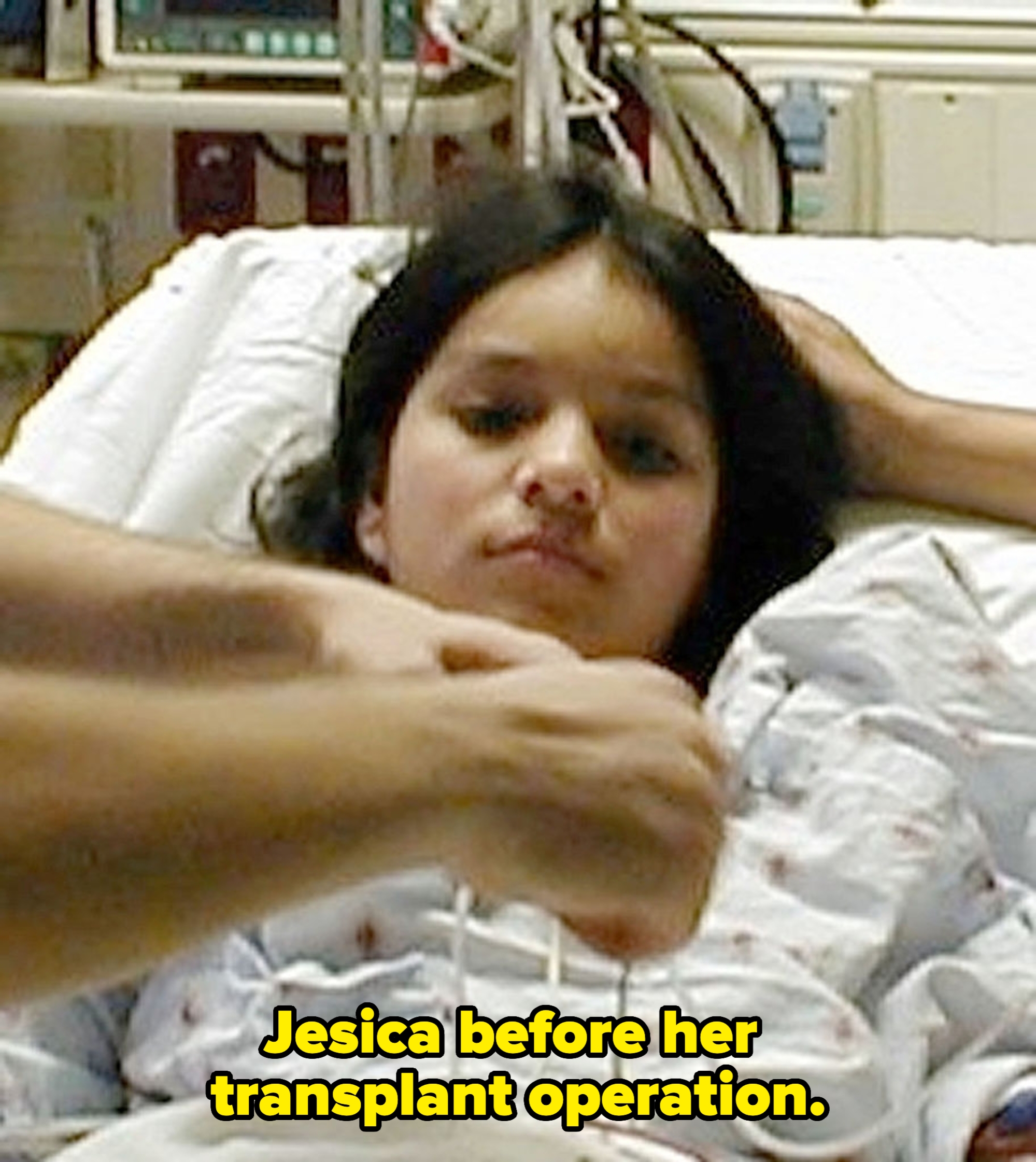
10. In 2003, 17-year-old Jesica Santillan, suffering from a life-threatening heart and lung condition, was admitted to Duke University Medical Center for a rare and complex double-organ transplant. During the operation, it was discovered that a shockinglyboneheaded mistakehad been made — the donor organs were type A, while Jesica’s blood type was O-positive, a mismatch that should have been identified long before surgery. Despite immediate efforts to stabilize her condition, including the use of immunosuppressant drugs and plasmapheresis, Jesica’s body began to reject the organs.
11.In 1951, two baby girls were born in a small Wisconsin hospital: Martha Miller and Sue McDonald. Due to a tragic mix-up, they weresent homewith the wrong families — a mistake that went undiscovered for 43 years. Mary Miller, Martha’s mother, suspected the error almost immediately. She noticed that the baby she brought home weighed two and a half pounds less than at birth and sneezed five times in a row (something none of her other babies did). Her husband, Reverend Norbert Miller, dismissed her concerns, and Mary, who soon fell ill and almost died, let it go. Mary and Kay McDonald, Sue’s mother, knew each other, and over the years, she even suggested that their daughters might have been switched. Kay, however, found the idea implausible and paid it little mind.